


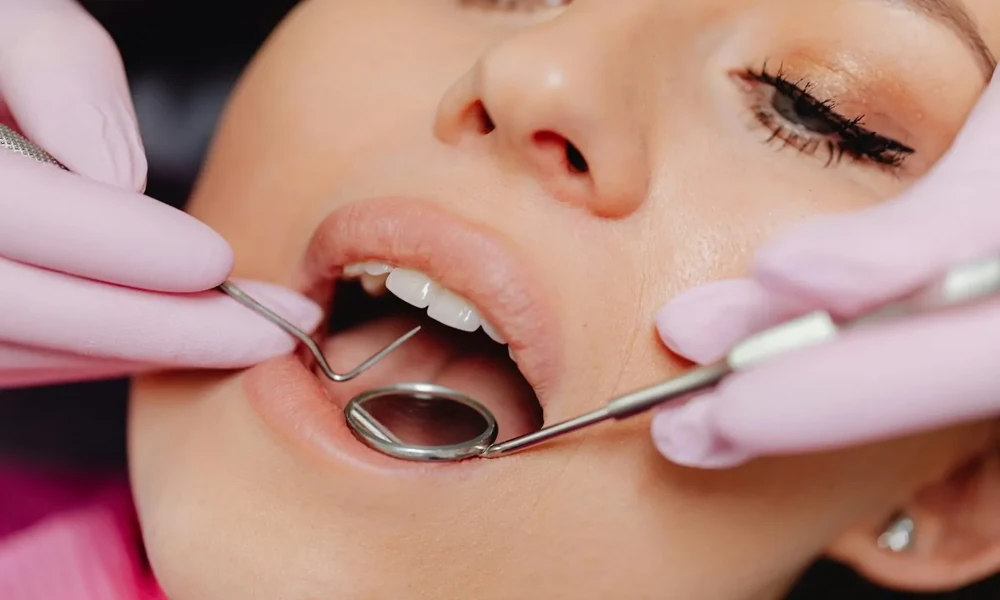
You might be feeling a mix of frustration and embarrassment every time you think about your teeth. Maybe you avoid smiling in photos. Maybe you chew only on one side because something hurts on the other. You tell yourself you will deal with it “soon,” but life keeps getting in the way, and the dental chair at an experienced dentist in Springfield feels like one more stress you do not have space for.end
At the same time, you probably sense that your teeth are affecting more than how you look. They touch how you eat, how you speak, how you show up at work and with the people you love. That is a lot to carry.
The good news is that general dentistry and cosmetic dentistry do not live in separate worlds. When a family and cosmetic dentist plans your care thoughtfully, the same treatment that makes your smile look better can also protect your health, your comfort, and even your confidence. In simple terms, the “pretty” work and the “necessary” work can support each other.
Here is the short version. Healthy gums and teeth make cosmetic results last longer. Cosmetic improvements make you more likely to care for your mouth. Together, they can improve how you eat, how you talk, how you feel in social situations, and how you see yourself in the mirror.
Why do your teeth affect so much of your everyday life?
You might think, “They are just teeth. Why does this feel so big?” Yet when you look at the research, the picture becomes clearer.
The Centers for Disease Control and Prevention shares that untreated cavities and gum disease are still very common in adults, and these problems are linked to pain, difficulty eating, and missed work days. You can see more about how widespread these issues are in the CDC’s oral health statistics.
It is not only about discomfort. The Health Resources and Services Administration notes that poor oral health in adults is linked to diabetes, heart disease, and even complications in pregnancy. They also point to how missing or painful teeth can affect employment and social life. You can read about these connections in their overview of adult oral health.
So where does that leave you? If you feel hesitant to smile or you worry that fixing your teeth is “just cosmetic,” you may be underestimating how much your mouth affects your whole life.
How do general and cosmetic dentistry work together instead of competing?
It can help to think of general dentistry as the foundation and cosmetic dentistry as the finishing work. Without a strong base, the finishing work does not last. Without the finishing work, the base may be solid, but you still may not feel good about your smile.
Here are five ways they work together to improve quality of life.
1. Treating problems early reduces pain and makes cosmetic work easier
When you see a family and cosmetic dentist regularly, small issues are caught early. A tiny cavity can be treated with a small filling that matches your tooth color. That is general care and cosmetic care working together. You avoid the pain and cost of a larger problem, and no one can see the repair.
Imagine two people with the same small chip in a front tooth. One waits years and ends up needing a root canal and crown. The other gets bonding done early. The bonded tooth looks natural and protects the tooth structure, and the appointment is shorter and less stressful. Same starting point, very different outcomes.
2. Restoring your bite improves chewing, digestion, and confidence
Missing or worn teeth can throw off the way your upper and lower teeth meet. This can cause jaw pain, headaches, and difficulty chewing certain foods. General dentistry focuses on restoring function. Cosmetic dentistry pays attention to shape, color, and symmetry while doing that work.
For example, crowns, bridges, or implants can be designed to match your other teeth. That means you can eat comfortably again and also feel at ease when you smile or speak. You get both function and appearance in one plan.
3. Healthier gums make cosmetic results last longer
No whitening or veneers can look good for long if the gums are inflamed or receding. Gum disease is very common, and research in the NCBI oral health overview shows it is tied to systemic health issues as well.
When general dentistry focuses on deep cleanings, gum therapy, and home care coaching, it creates a stable environment. Cosmetic treatments like veneers, bonding, or orthodontic improvements then sit on a healthy base. That means fewer repairs and less risk of losing expensive work.
4. A smile you like can reduce social anxiety and support mental health
Think about the last time you met someone new. If you were worried about stained or crooked teeth, you might have smiled with your lips closed, avoided eye contact, or spoken less. Over time, this can wear on your confidence and even your mood.
When a family and cosmetic dentist brightens your teeth, reshapes edges, or closes small gaps, you may notice you smile more freely. It is not vanity. It is removing a distraction that has been pulling your attention and energy for years.
5. Feeling proud of your teeth makes you more likely to protect them
This is where the two sides truly support each other. After cosmetic work, many people become more motivated to brush, floss, and keep regular visits. You have invested time and money, and you want to protect that investment.
That means better plaque control, fewer cavities, and less gum disease. General health improves, and future cosmetic work is easier and more predictable. It becomes a positive cycle instead of a constant “fix and patch” pattern.
What should you weigh when you think about treatment options?
You might still be wondering how to balance what you want with what you can realistically do right now. Cost, time, fear of pain, and worry about being judged often get in the way. That is normal.
To help you think more clearly, here is a simple comparison of focusing on health only, appearance only, or combining both through general and cosmetic dentistry.
| Approach | Short-term experience | Long-term health impact | Impact on confidence |
|---|---|---|---|
| General dentistry only | Addresses pain and infection. May use basic, less natural-looking materials in some cases. | Improves chewing and reduces risk of serious oral disease if you stay consistent. | Function improves, but you may still feel self-conscious about color, shape, or gaps. |
| Cosmetic dentistry only | Teeth may look better quickly, such as whitening or bonding, if no major issues are present. | If underlying decay or gum disease is ignored, problems can grow under the surface. | Confidence may rise at first, but can drop again if pain or damage appears later. |
| Combined general and cosmetic care | Plan may take a bit more time. Focuses on comfort, stability, and appearance together. | Health issues are treated, gums supported, and restorations designed to last. | Improved comfort and a smile you like reinforce each other, which supports daily confidence. |
This is not about choosing “fancy” care. It is about making sure that whatever you do will last and will actually support the life you want to live.
What can you do right now to move toward a healthier, more confident smile?
You do not need to fix everything at once. A good family and cosmetic dentist will help you take it step by step. Here are three actions you can take now.
1. Schedule a judgment-free assessment
Look for a practice that offers both general and cosmetic services. When you call, pay attention to how the team speaks to you. You deserve a space where you can say, “I am embarrassed about my teeth” and be met with calm and respect, not pressure.
Ask for a full exam that includes gum health, existing fillings or crowns, bite evaluation, and a conversation about what bothers you most when you look in the mirror. That mix of clinical and personal information is what leads to a plan that feels right.
2. Ask for a phased treatment plan
If you worry about cost or time, say so openly. A thoughtful plan can be broken into stages. For example, stage one might handle pain or infection. Stage two might restore broken teeth you use for chewing. Stage three might focus on whitening or reshaping front teeth.
By phasing care, you gain relief early and work your way toward the smile you want without feeling overwhelmed. You stay in control of the pace.
3. Protect what you have while you plan
Even before any major treatment, you can support your mouth with small consistent actions.
- Brush twice a day with fluoride toothpaste, paying attention to the gumline.
- Floss or use interdental cleaners daily, even if you start with just a few teeth.
- Cut back on frequent sipping of sugary drinks. Try to drink them with meals instead of all day.
- If you grind your teeth, mention it. A simple night guard can prevent a lot of damage.
These steps reduce new problems while you and your dentist build a plan together.
Moving from “putting it off” to feeling at ease with your smile
You have probably lived with some of your dental concerns for years. It is easy to tell yourself you have waited this long, so a bit longer will not matter. Yet every small step you take toward healthier, more confident teeth can change how you eat, how you speak, and how you move through your day.
General care and cosmetic care are not rivals. When they are combined thoughtfully through a trusted family and cosmetic dentist, they can support your health, your comfort, and how you feel about yourself, all at the same time.
You deserve to smile without thinking twice. You deserve to enjoy a meal without planning around your teeth. When you are ready, reach out to a dentist who understands both your medical needs and your personal goals, and start the conversation about what is possible for you now, not years from now.