
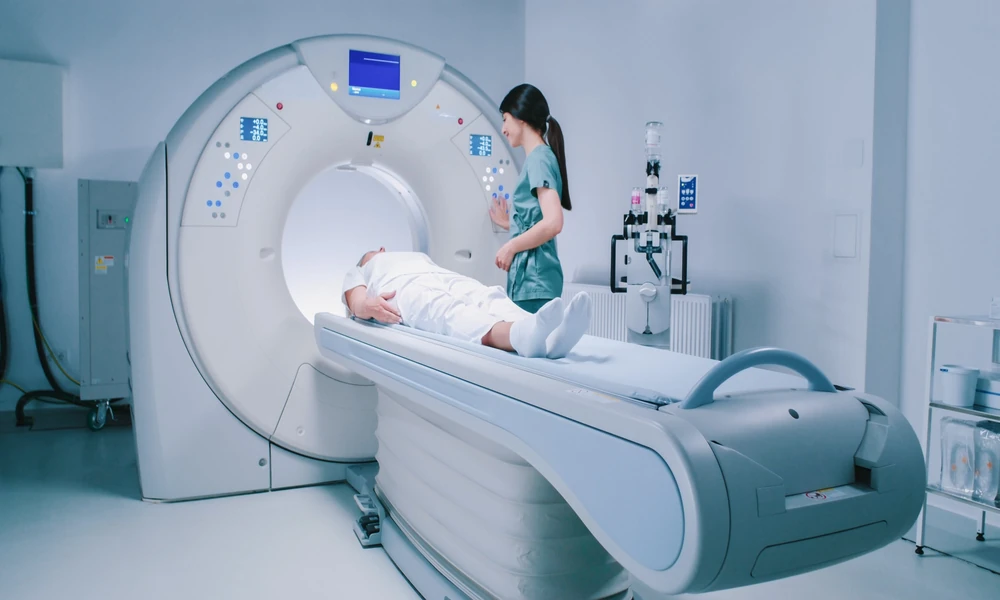
If your doctor has recommended an MRI scan, you’re likely balancing relief at getting answers with uncertainty about the process itself. Magnetic resonance imaging has become a cornerstone of modern diagnostics, offering detailed views of soft tissues, organs, and structures that other imaging methods simply can’t match. Yet for first-time patients, the prospect of lying still in an enclosed scanner raises practical questions about preparation, duration, and what happens during the scan.
Understanding what happens before, during, and after an MRI can transform anxiety into confidence. This guide walks through the essential preparation steps, timing considerations, and practical strategies that make the experience smoother for patients across the Gulf region and beyond.
Why MRI Preparation Matters More Than You Think
MRI scans rely on powerful magnetic fields and radio waves to create detailed images of your body’s internal structures. This technology means that preparation isn’t just a formality-it directly affects both image quality and patient safety. Metal objects can interfere with the magnetic field, creating artifacts in the images or, in rare cases, becoming projectiles. Even small items like hairpins, jewelry, or clothing with metal threads can compromise the scan’s effectiveness.
Medical implants require special attention. Pacemakers, cochlear implants, and certain types of surgical clips may be incompatible with MRI machines. If you have any implanted medical device, you’ll need to provide documentation about the specific model and manufacturer. Most facilities maintain databases of MRI-safe implants, but the responsibility for disclosure rests with the patient. Dental work typically poses no problem-modern fillings and crowns use materials that won’t interfere with scanning.
The Day Before Your Scan: Practical Steps
Most MRI scans require minimal dietary preparation, but contrast-enhanced studies may necessitate fasting for four to six hours beforehand. Contrast agents-usually gadolinium-based compounds-help certain tissues show up more clearly in the images. If your scan requires contrast, your facility will provide specific instructions about eating, drinking, and medications.
Continue taking prescribed medications unless instructed otherwise. For patients managing chronic conditions, maintaining medication schedules around an MRI typically poses no conflict. However, if you take medications for anxiety or have concerns about claustrophobia, discuss this with your doctor well before the appointment. Some patients benefit from mild sedation, which requires additional preparation and someone to drive you home afterward.
Plan your clothing strategically. Loose, comfortable garments without metal components work best-think athletic wear or cotton loungewear. Many facilities provide hospital gowns, but if you prefer your own clothes, avoid items with zippers, snaps, underwire bras, or metallic embellishments. Remove all jewelry at home rather than risking loss at the facility.
Understanding Scan Duration and Scheduling
Timing varies considerably based on the body part being scanned and whether contrast is needed. A straightforward brain MRI might take 30 to 45 minutes, while comprehensive spinal imaging could extend to 90 minutes. Multiple areas or complex protocols naturally require more time. Healthcare facilities in Abu Dhabi and across the UAE have invested significantly in advanced imaging technology, with partnerships between Middle Eastern hospitals and international medical institutions helping to elevate diagnostic standards and reduce wait times for patients.
When scheduling your MRI, factor in arrival time for paperwork and changing clothes, plus the scan itself. Most facilities ask patients to arrive 15 to 30 minutes early. If contrast is involved, expect additional time for IV placement and post-scan observation. For patients juggling work schedules or family commitments, early morning or late afternoon appointments often prove most convenient, though availability varies by facility.
What Affects MRI Length
Several factors influence how long you’ll spend in the scanner. Image resolution requirements play a significant role-high-resolution scans for detecting small abnormalities naturally take longer than routine studies. The number of sequences matters too. Each sequence captures different tissue characteristics, and comprehensive examinations may require six to eight separate sequences. Patient movement extends scan time because technologists must repeat sequences that show motion artifacts.
Managing Diagnostic Imaging Appointments in Abu Dhabi
For patients seeking MRI services in the UAE capital, Cleveland Clinic Abu Dhabi offers comprehensive diagnostic imaging as part of its multispecialty healthcare services. When preparing for an MRI at any facility, patients often wonder about logistics and timing. Resources like Cleveland Clinic Abu Dhabi’s health library provide detailed information about how long does mri take and what happens during different types of scans, helping patients plan their day around the appointment.
International patients traveling to Abu Dhabi for medical care should coordinate imaging appointments with their overall treatment schedule. Many facilities offer same-day or next-day results for urgent cases, though routine studies typically take 24 to 48 hours for radiologist interpretation. Confirm turnaround times when scheduling, especially if you’re coordinating follow-up consultations.
Claustrophobia and Anxiety Management
The enclosed nature of traditional MRI scanners triggers anxiety in approximately 10 to 15 percent of patients. If you’re among them, several strategies can help. Open MRI machines, while less common, provide more space and work well for claustrophobic patients, though they may take longer and produce slightly lower resolution images. Some facilities offer mirrors that let you see out of the scanner, reducing the feeling of confinement.
Controlled breathing exercises prove remarkably effective. Deep, slow breaths activate your parasympathetic nervous system, countering the fight-or-flight response. Practice these techniques before your appointment so they feel natural during the scan. Many facilities provide music or allow patients to bring playlists, though metal-free headphones or earbuds are required.
For patients with significant anxiety, discussing sedation options with your doctor well in advance makes sense. Light sedation doesn’t put you to sleep but reduces anxiety enough to tolerate the procedure comfortably. This approach requires fasting beforehand and someone to accompany you home, but for highly anxious patients, it transforms an ordeal into a manageable experience.
The Connection Between Fatigue and Diagnostic Testing
Many patients undergoing MRI scans are simultaneously managing symptoms that prompted the imaging in the first place. Persistent fatigue often drives patients to seek medical evaluation, and while stress plays a role, hormonal imbalances frequently contribute to ongoing exhaustion. If you’ve been experiencing unexplained tiredness alongside other symptoms that warranted an MRI, understanding the relationship between fatigue and hormonal health can provide valuable context for your overall health picture.
The diagnostic process often involves multiple steps-blood tests, imaging studies, specialist consultations-before arriving at clear answers. Patience with this process, while challenging when you’re feeling unwell, typically leads to more accurate diagnoses and effective treatment plans.
After the Scan: What Comes Next
Once the MRI concludes, you can typically resume normal activities immediately unless you received sedation. If contrast was used, drinking extra water helps flush the contrast agent from your system, though your kidneys handle this process naturally. Side effects from gadolinium-based contrast remain rare-most patients experience nothing beyond a cool sensation during injection.
Results reach your referring physician within one to three business days in most cases. The radiologist analyzes every sequence, looking for abnormalities, measuring structures, and comparing findings to normal anatomy. Urgent findings typically trigger immediate communication with your doctor, while routine results follow standard reporting timelines. Resist the temptation to interpret images yourself or search online for meanings-radiology requires years of training, and anxiety-inducing internet searches rarely provide accurate information.
Schedule a follow-up appointment with your referring physician before leaving the imaging facility if you haven’t already. Having this consultation on the calendar reduces anxiety about waiting for results and ensures timely discussion of findings and next steps. Your doctor will explain results in the context of your complete medical history and symptoms, something a radiologist’s report alone cannot provide.
Making MRI Preparation Work for You
Successful MRI preparation comes down to information, planning, and communication. Know what your specific scan requires, arrive prepared with the right clothing and documentation, and communicate openly about anxiety, medical history, or concerns. The technology itself has become more patient-friendly over recent years-faster sequences, wider bore openings, and quieter operation all contribute to better experiences.
For patients in Abu Dhabi and throughout the Gulf region, access to world-class diagnostic imaging continues to expand. Whether you’re undergoing a routine scan or complex imaging for a challenging diagnosis, preparation remains your most powerful tool for ensuring quality results and a manageable experience. The hour you spend in preparation often determines whether the scan proceeds smoothly or requires rescheduling-a small investment of time that pays substantial dividends in reduced stress and reliable diagnostic information.