
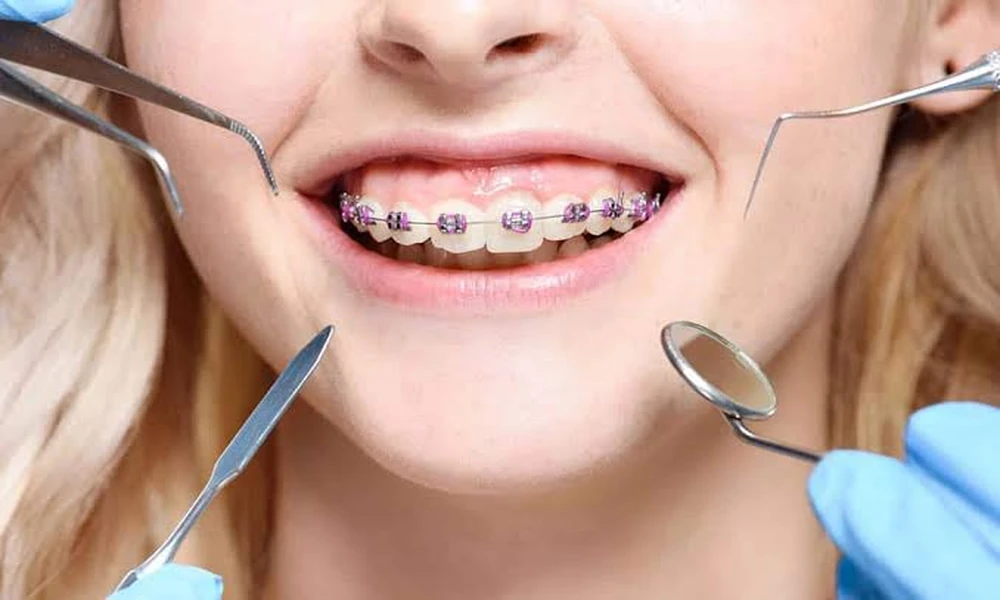
You may have started with one problem and ended up hearing about two specialties. Maybe you wanted straighter teeth, then learned your gums need attention first from a Thousand Oaks periodontist. Maybe you were told braces could help your bite, but only after a periodontist checks bone loss or gum recession. That can feel frustrating, expensive, and hard to sort through. The short version is simple. Your teeth do not move safely without healthy gums and bone, and your gums often do better when your teeth are in better positions.
How periodontics and orthodontics work together comes down to support and movement. Orthodontics moves teeth into healthier alignment. Periodontics protects and treats the gums, ligaments, and bone that hold those teeth in place. When both are planned together, treatment is often safer, more stable, and easier to maintain over time.
Orthodontic treatment depends on healthy periodontal support
Orthodontics focuses on tooth movement. Periodontics focuses on the structures around the teeth. Those structures matter more than many people realize. If gums are inflamed or bone has already been lost, moving teeth without addressing that problem can increase risk. Teeth can loosen, recession can worsen, and the final result may not last the way you hoped.
Gum disease is common, and it is not always painful early on. Bleeding when you brush, swelling, bad breath, gum pockets, and loose teeth can all point to trouble. MedlinePlus explains the signs and treatment of gum disease in clear terms, and it reinforces a basic truth. The foundation has to be stable before teeth are moved.
You see this often in adults who want aligners or braces after years of crowding. Crowded teeth are harder to clean. Plaque builds up in tight spaces. Gums stay irritated. Then the very crowding that made cleaning hard also becomes the reason alignment could help. That is where coordinated care matters. A periodontist treats the infection or inflammation first, then the orthodontist moves teeth in a way the gums and bone can tolerate.
Periodontal and orthodontic care often solve the same problem from different angles
Some dental problems are not just cosmetic and not just gum related. They overlap. Teeth that flare outward can make recession worse. A deep bite can traumatize gum tissue. Severe crowding can make flossing nearly impossible. Spacing can trap food and change the way forces hit the teeth when you chew.
Orthodontics and periodontics often work on these issues at the same time, just from different directions. One specialty reduces harmful forces and improves alignment. The other manages inflammation, grafts thin tissue when needed, and monitors bone levels as movement happens.
Think about someone with gum recession on the lower front teeth. If those teeth sit too far forward, brushing may already feel tender, and the tissue may be thin. Straightening the teeth without looking at the gum condition can push the problem further. Treating the tissue first or carefully sequencing treatment can protect that area. In another case, a patient with periodontitis may need deep cleaning and a period of healing before any braces are placed. The timing is not random. It is based on biology.
This team approach is established enough that some advanced dental programs train doctors in both areas together. The University of Pennsylvania outlines an orthodontics and periodontics certificate program, which reflects how closely these fields connect in complex cases.
Combined planning reduces risk and improves long term stability
When treatment is not coordinated, the problems tend to show up later. You finish braces, but the gums still bleed. The teeth look straighter, but recession is more visible. Retainers fit, yet the bone support is weaker than it should be. That is the kind of outcome people remember with regret because it often could have been reduced with better planning at the start.
A coordinated plan usually answers a few key questions early. Is there active gum disease. Is there enough bone support for safe movement. Are any teeth already mobile. Will recession improve, stay the same, or get worse with alignment. Does the bite place too much force on certain teeth. Those answers shape the order of care.
Periodontal orthodontic treatment is often less about doing more and more about doing things in the right sequence. Sometimes that means periodontal therapy first, then orthodontics, then a gum graft if tissue still needs support. Sometimes mild tooth movement comes first because it creates a cleaner, more maintainable position for the gums.
Common concerns in periodontist and orthodontist care
| Concern | If Only Orthodontics Is Considered | If Periodontics and Orthodontics Are Planned Together |
|---|---|---|
| Bleeding gums | Inflammation may continue during tooth movement | Infection and inflammation are treated before or during care |
| Gum recession | Thin tissue may worsen around moved teeth | Tissue thickness and tooth position are both evaluated |
| Bone loss | Movement may be limited or less stable | Bone support guides safer treatment goals |
| Crowding | Teeth may straighten, but hygiene challenges can remain if gums are unhealthy | Alignment and gum health improve together, making cleaning easier |
| Long term maintenance | Higher chance of relapse or ongoing gum problems | Retention and periodontal follow up support a more stable result |
Clear next steps make treatment feel less overwhelming
1. Get a periodontal evaluation before starting tooth movement.
If you have bleeding gums, recession, loose teeth, or a history of gum disease, ask for a full periodontal exam first. That usually includes pocket measurements, X rays, and an assessment of bone and tissue levels. This step gives you a safer starting point.
2. Ask for one shared treatment plan.
You need more than two separate opinions. Ask how the periodontist and orthodontist would sequence care, what risks they see, and how they will monitor gum health during treatment. If one doctor says you can start right away and another sees active disease, press for clarity before moving forward.
3. Protect the result with daily maintenance and follow up.
Even excellent treatment can fail if plaque control slips. Brush gently along the gumline, clean between teeth every day, keep your periodontal maintenance visits, and wear retainers as directed. Straight teeth are easier to clean, but they still need consistent care.
Healthy gums and aligned teeth support each other
When you are told you need both specialties, it does not mean your case is hopeless or unusually complicated. It usually means the right people are looking at the full picture. Teeth need healthy support, and gums benefit from teeth that fit and function better. That is how periodontist care and orthodontic treatment work best, together instead of in isolation.
If you are weighing treatment, start with a careful evaluation and ask for a coordinated plan. That first step often turns confusion into something much more manageable.